A-System
A model that reads brain scans to help doctors spot autism earlier, and an earphone that helps a child calm down when a room gets too loud. One app joins the doctor, the parents, the child and the teacher.
Paper at CONF-CDS
iF, IDA and Muse design awards
ML model · 75.3% accuracy on ABIDE fMRI
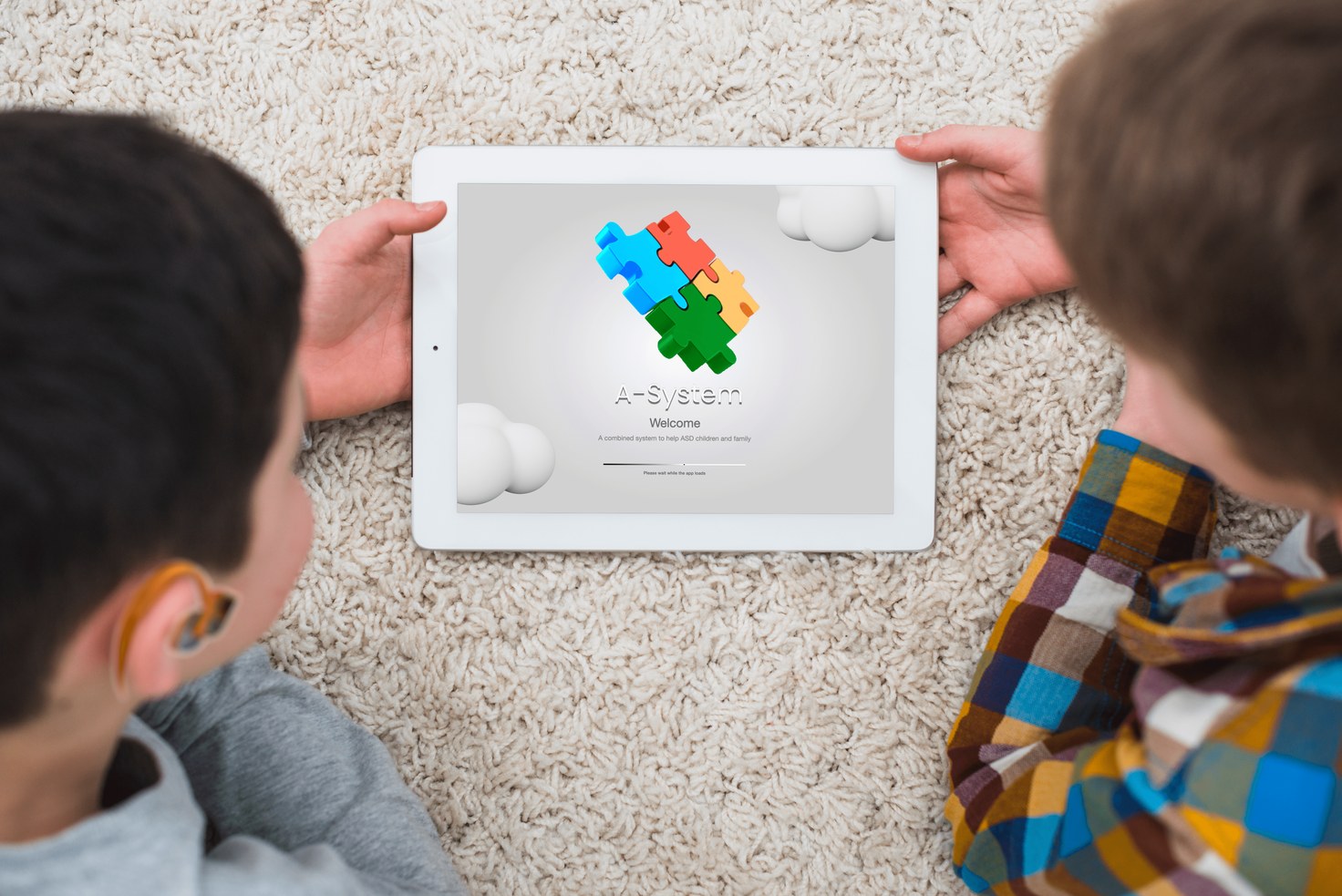
What could AI add to a clinical diagnosis, and can autism be recognized earlier? Autism is diagnosed from behaviour, and the brain differences behind it are subtle, so many children are diagnosed late or wrongly.
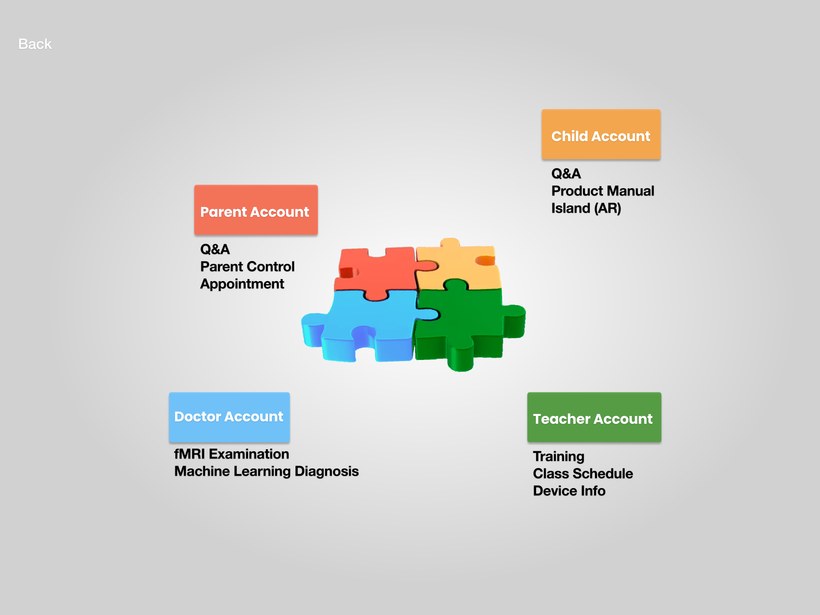
Around each child sit four people with their own pain points, and they rarely share what they know. Pick a piece.
Four people, one puzzle
Reading the brain, not only behaviour
We trained a model on resting-state fMRI from the ABIDE dataset to tell autistic and non-autistic brains apart. Six steps, from scans to a checked result. Pick a step.
{{cur.body}}
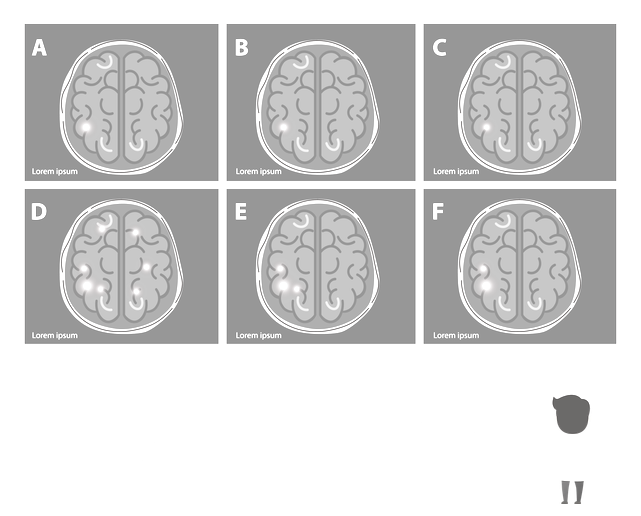
Mixup + sparse autoencoder + DNN. The project's literature review found earlier models topping out around 70% accuracy.
ABIDE pools scans from many hospitals. Trained one site at a time, accuracy swung from 46% to 89%, which is why the final model learns from all sites together.
B.1 B.2 · the two columns reported per site in the project
Many autistic children are hypersensitive to sound. One sudden noise can tip them into a feeling they can't bring back down.
When the room gets too loud
Startled by sudden noise, anxious at school, sad when left alone.
Music led, so the device is built around sound. Project research; 20% other.
None combined emotion detection, a body sensor and bone conduction.
A-System row = design target, not a tested product. No noise cancelling, so the child still hears the room.
Notice, soothe, call for help only if needed
The device follows the emotion-generation model of Gross & Thompson (2007): situation, attention, appraisal, response. Play a loud moment to see the loop run.
Dashed lines: his resting baseline (84) and the overwhelmed level (115) this demo uses. Heart-rate numbers are illustrative, not measured.
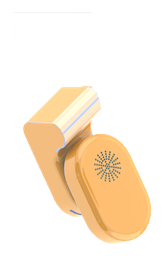
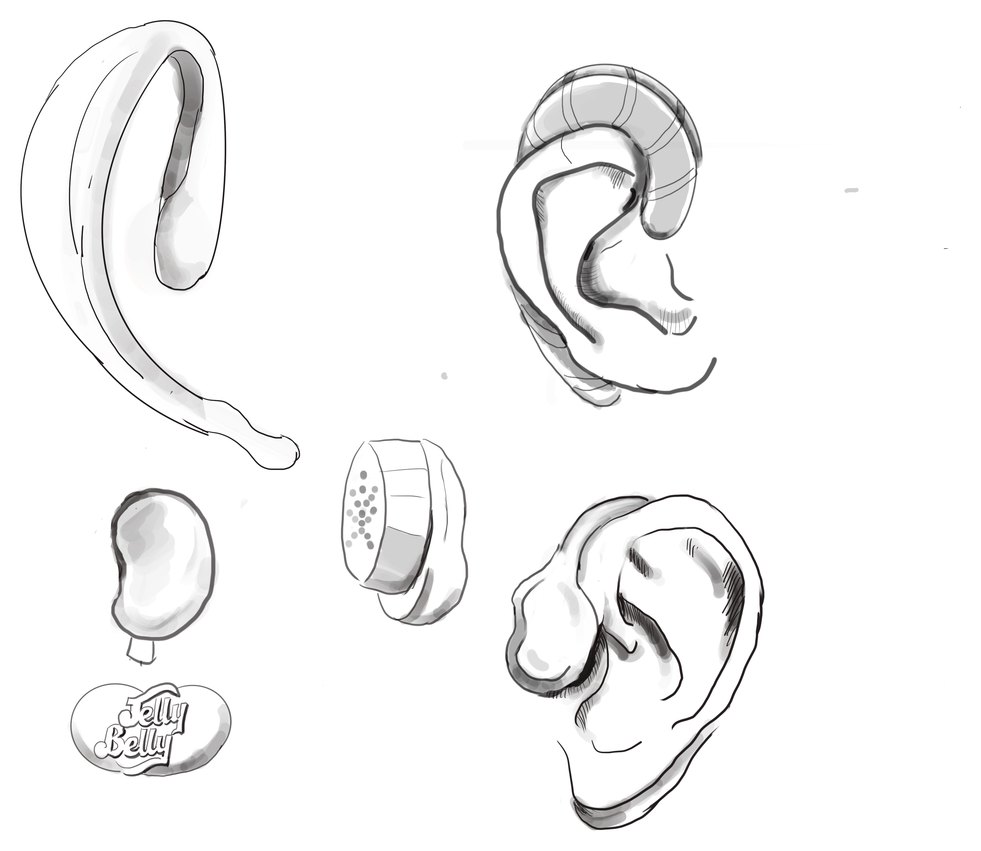
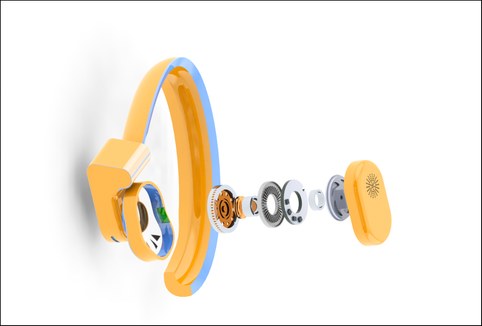
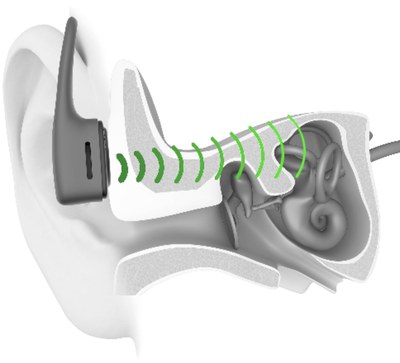
A bone-conduction earphone that hooks over the ear. It reads the heartbeat, plays calm nature sounds and leaves the ear canal open, so the child still hears the class.
Sound through the bone, so the ears stay open


One app, four doors
Each person signs in to their own portal. Parents see the doctor's diagnosis and the teacher's records; teachers see the diagnosis only with a parent's permission.
{{tab.body}}
Every portal keeps its own header colour, so a parent, a teacher or a doctor always knows whose door they are standing at.
Eight frames follow one family through the system, from booking the first scan to a calm afternoon at school.
From the first scan to a calm afternoon
Paper, awards and credits
The model became a conference paper; the device and app design won three design awards.
- {{a.t}}
The model was a group research project in summer 2021, advised by Manolis Kellis, where I led the research and the data visualization. The device, service and app are my own system design from spring 2022.