TrustLens
An interface that shows where three AI classifiers look when they judge whether a face is real, so the person makes the final call.
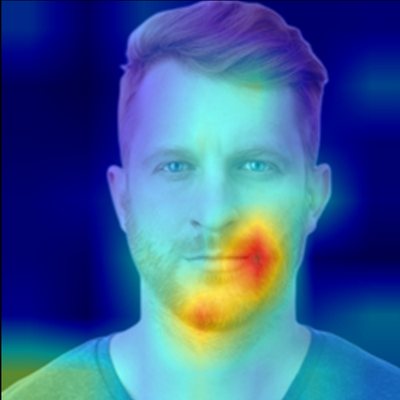
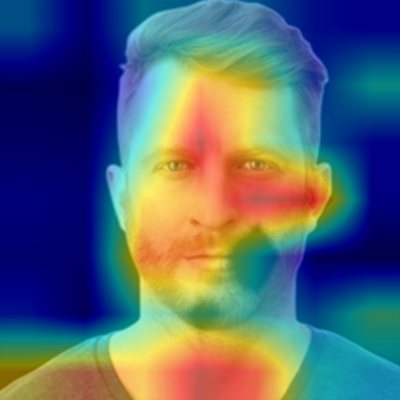
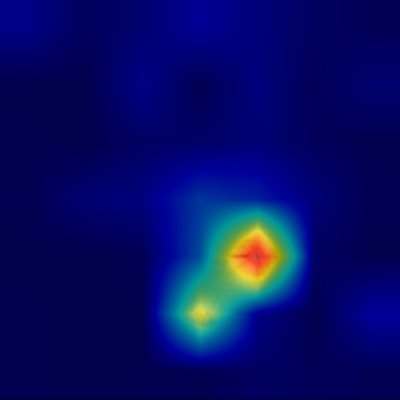
- My contribution
- Model training · Data scraping · Interface design · Interaction design · User agency
- Timeline
- 2025 Fall · 6 weeks
- Tools
- Figma · Python · PyTorch · Hugging Face · Gradio
A verdict is not an explanation
TrustLens uses three face classifiers to identify visual signatures in real photographs, game renders, and AI-generated images, supporting human judgment about image authenticity.
[Two or three lines on the problem in your words: e.g. detectors give one "fake" score and no reason, so people either trust it blindly or ignore it.]
How might a detector show its evidence, so the person stays the judge?
Three ways a face is not real
We built one dataset per kind of "not real", each compared against real photographs.
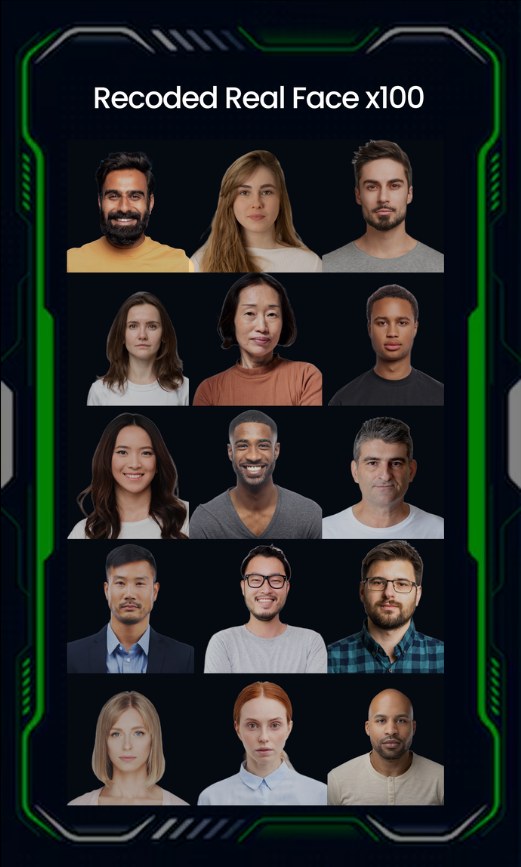
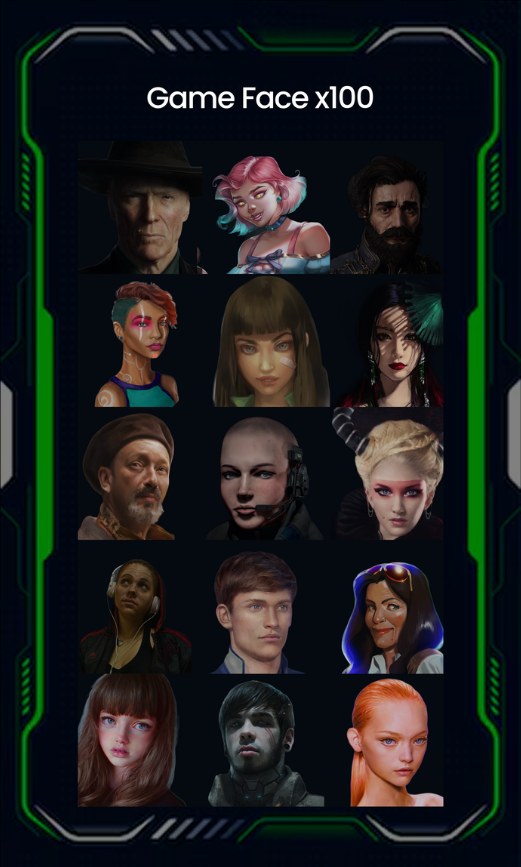
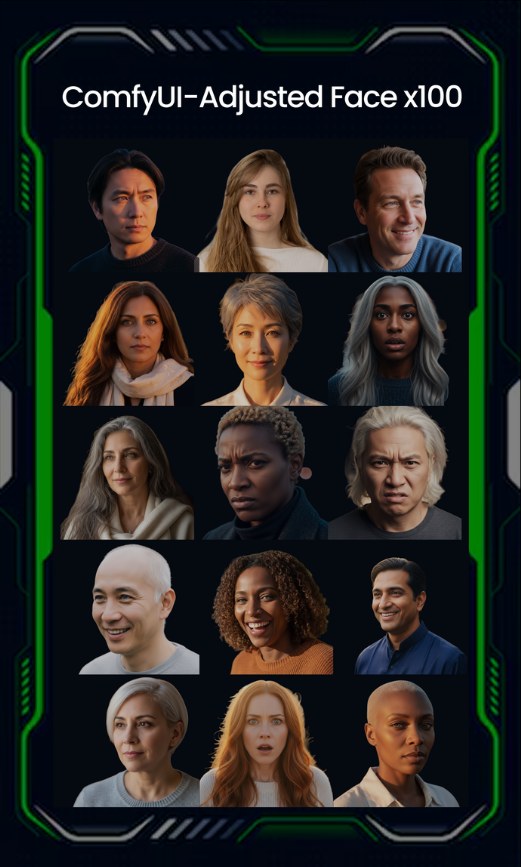
Each board shows 15 of its 100 samples. Game character images belong to their studios and are shown here only as research data. [Add where each set came from: sources, licences, how you filtered them.]
Three classifiers, run in parallel
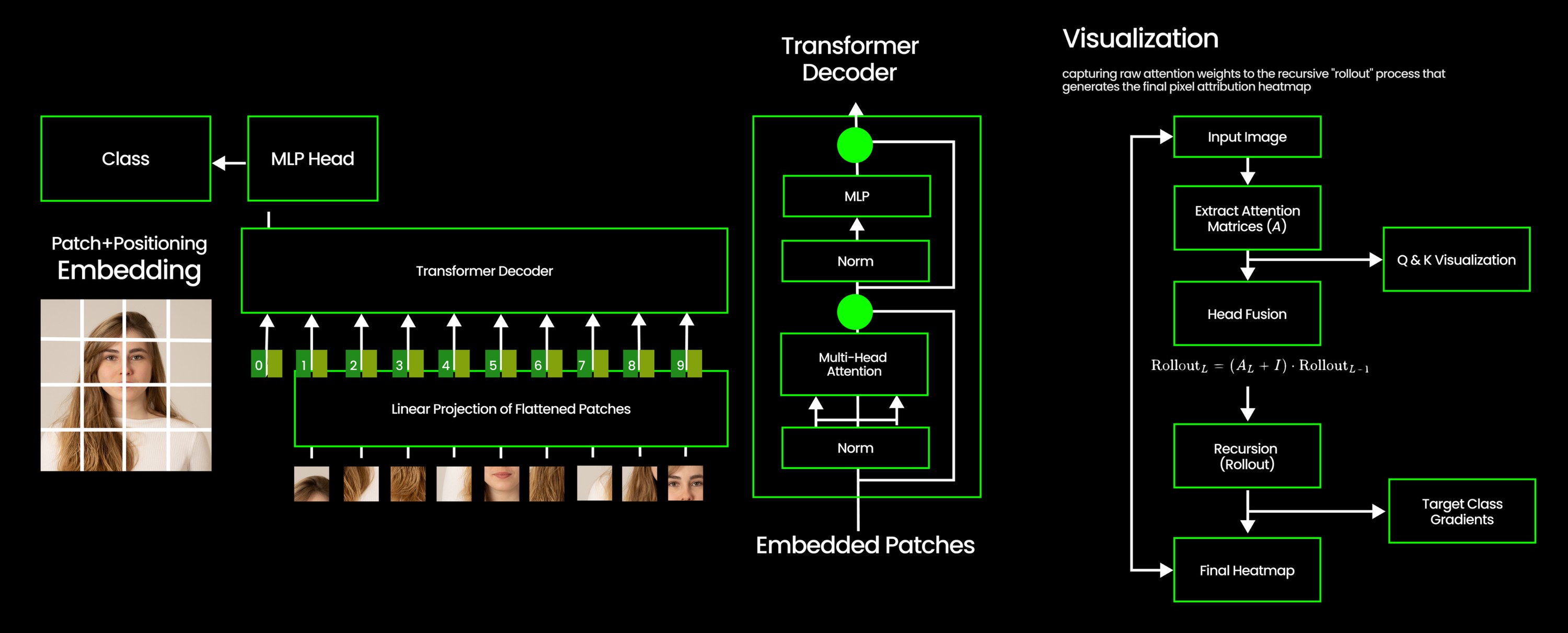
Three specialized classifiers evaluate each image in parallel, distinguishing game faces, ComfyUI-generated faces, and recoded human faces from real human faces. Their confidence-weighted predictions are combined to assess image type and realness.
- Face imageCut into patches
- Vision TransformerViT-B/32, one per classifier
- Three verdictsGame, ComfyUI and Recoded, each against Real
- Attention rolloutAttention traced back through every layer
- HeatmapWhere on the face the verdict came from
What the model taught the interface
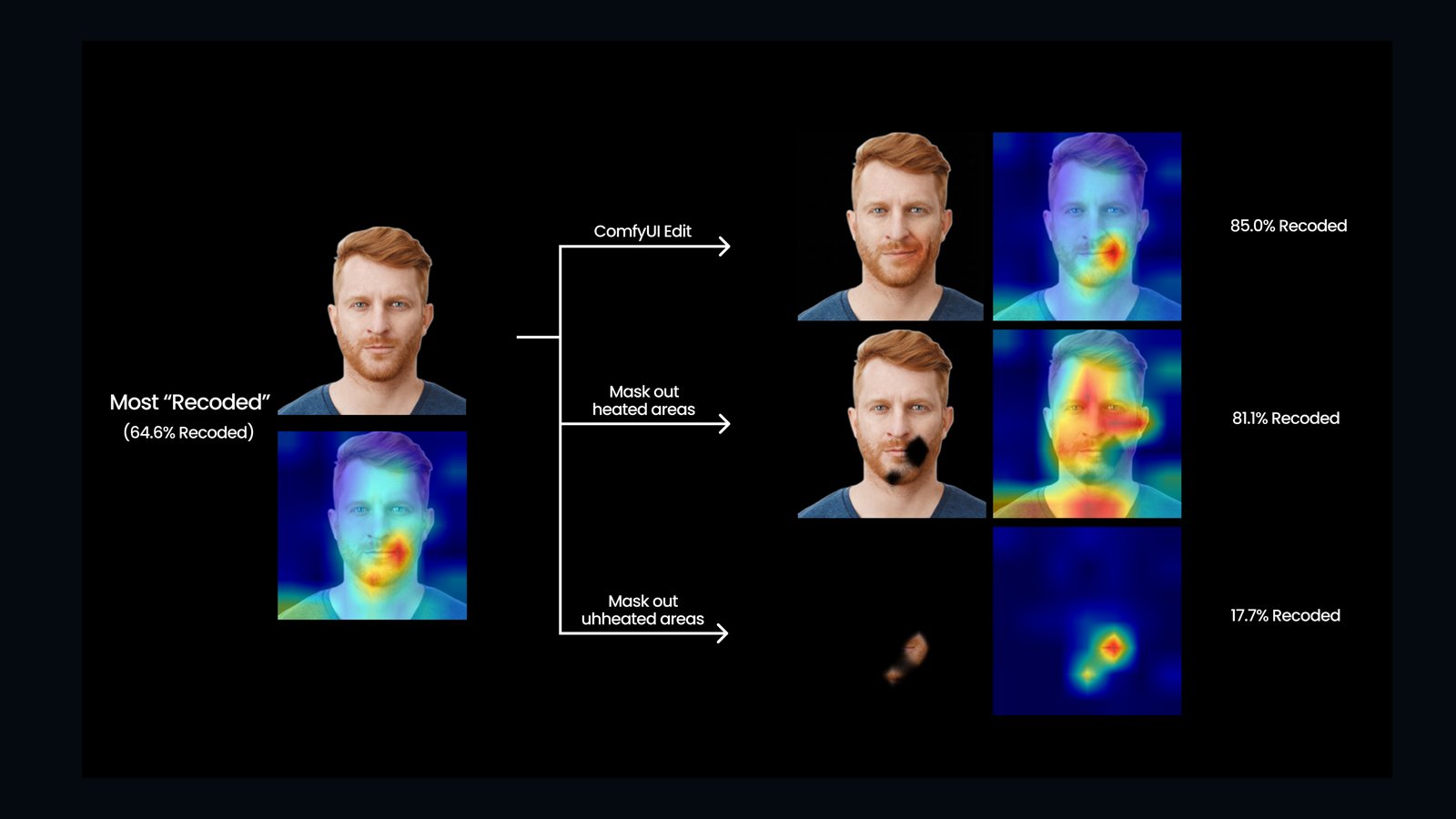
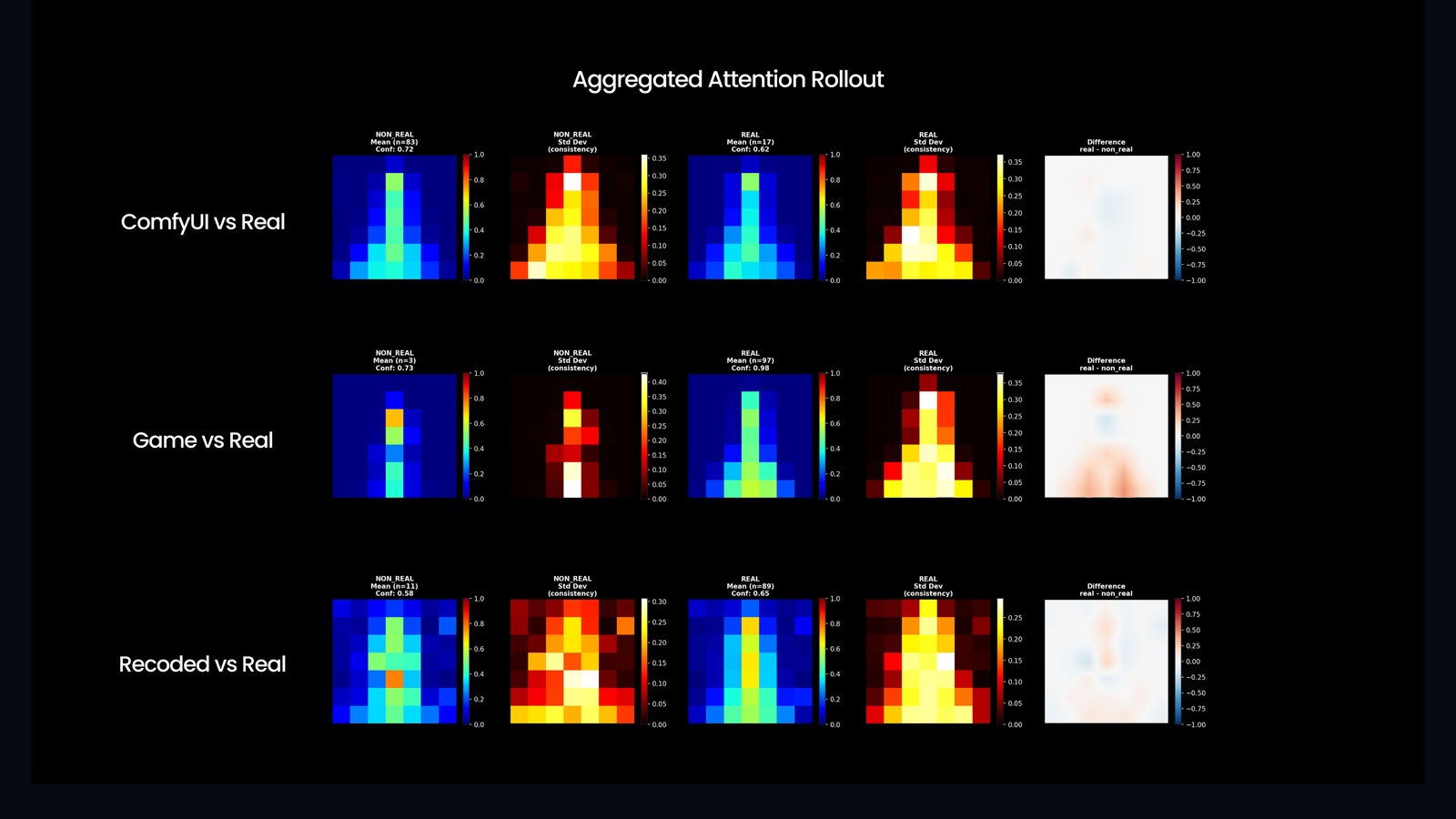
Before drawing any screen, we tested what the heatmaps actually mean. Three findings, each turned into one design decision.
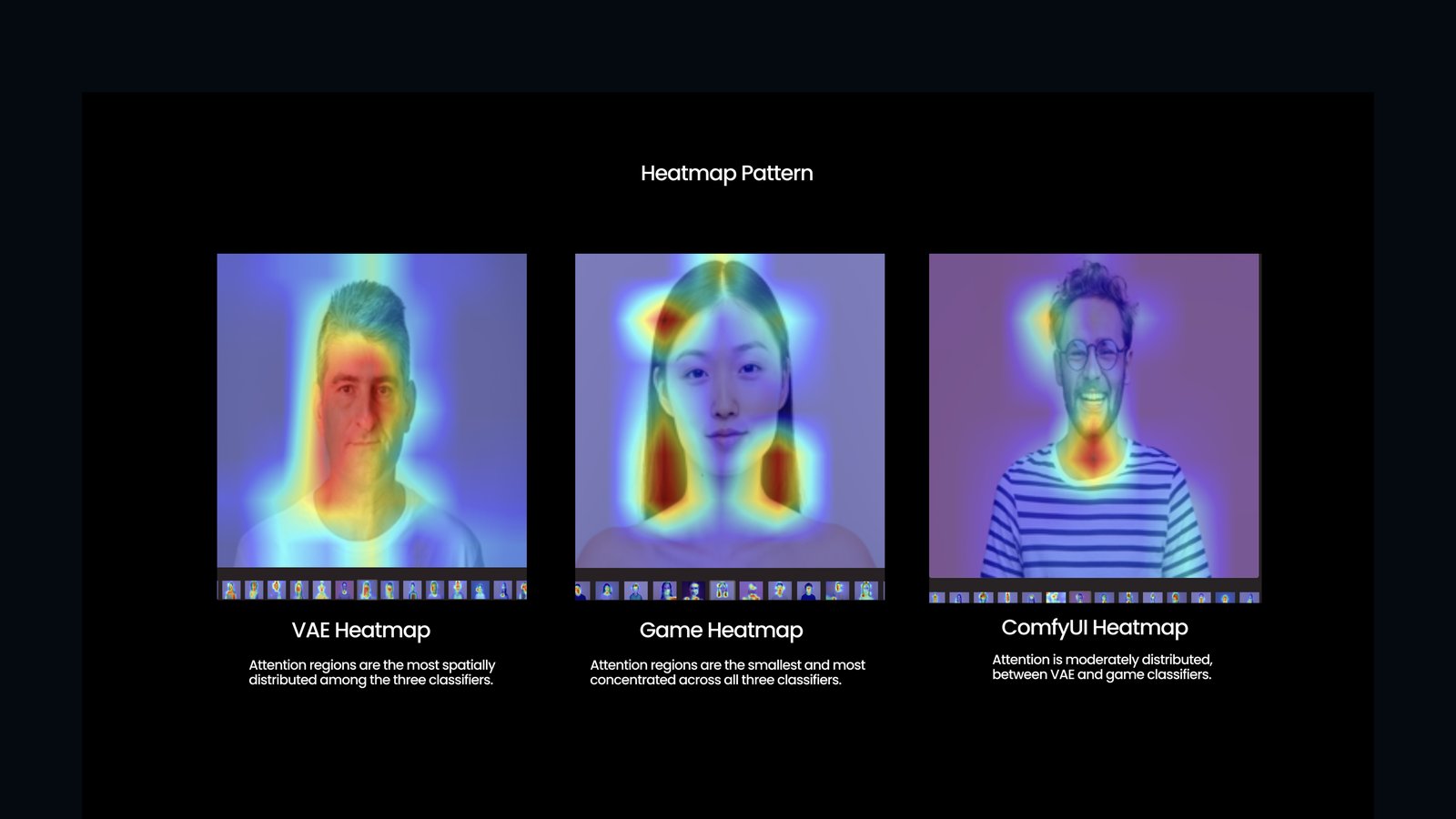
Masking test, most "Recoded" face
Across the dataset · aggregated attention rollout
One screen, five zones
The tool is one long screen. The top reads left to right: what you gave it and what each classifier saw. Straight under it, the visualization matrix places that face among every face analysed so far.
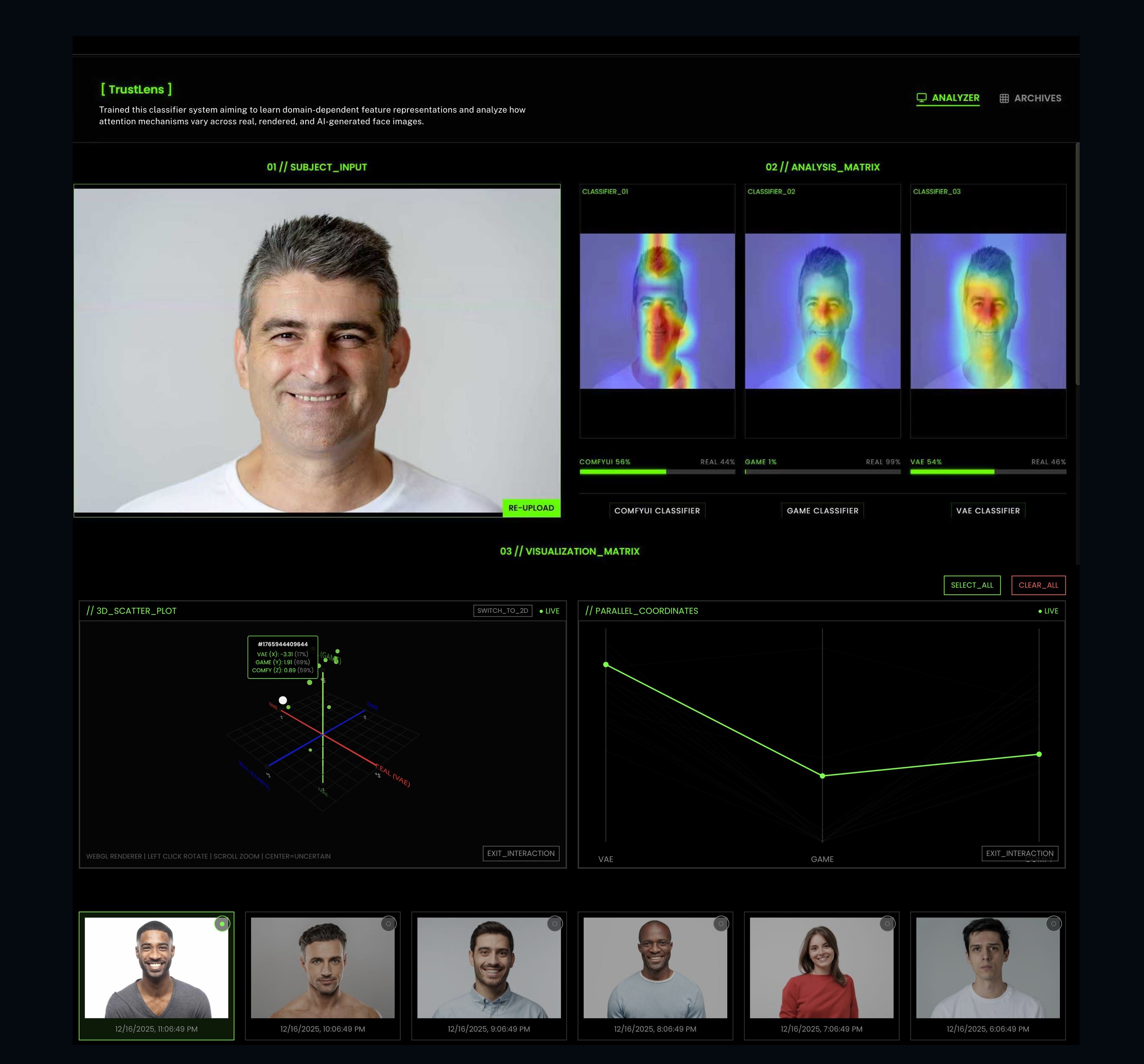
[Two or three UI decisions worth calling out: e.g. why the same face repeats under every heatmap, why bars instead of a single number, what the Archives tab is for.]
Keeping the person in charge
TrustLens never prints "fake". It shows evidence and stops, which is what user agency means in this project.
- 01 · UploadA face you are unsure about
- 02 · SeeWhere each classifier looked
- 03 · CompareThree confidences, side by side
- 04 · DecideThe person makes the call, not the model
[If you tested it with people: who, how many, and what they did differently with heatmaps than with a single score.]
Evidence over verdicts
[Two lines on the result: what was built and shown, e.g. a working Gradio demo with three trained classifiers, and what it proved.]
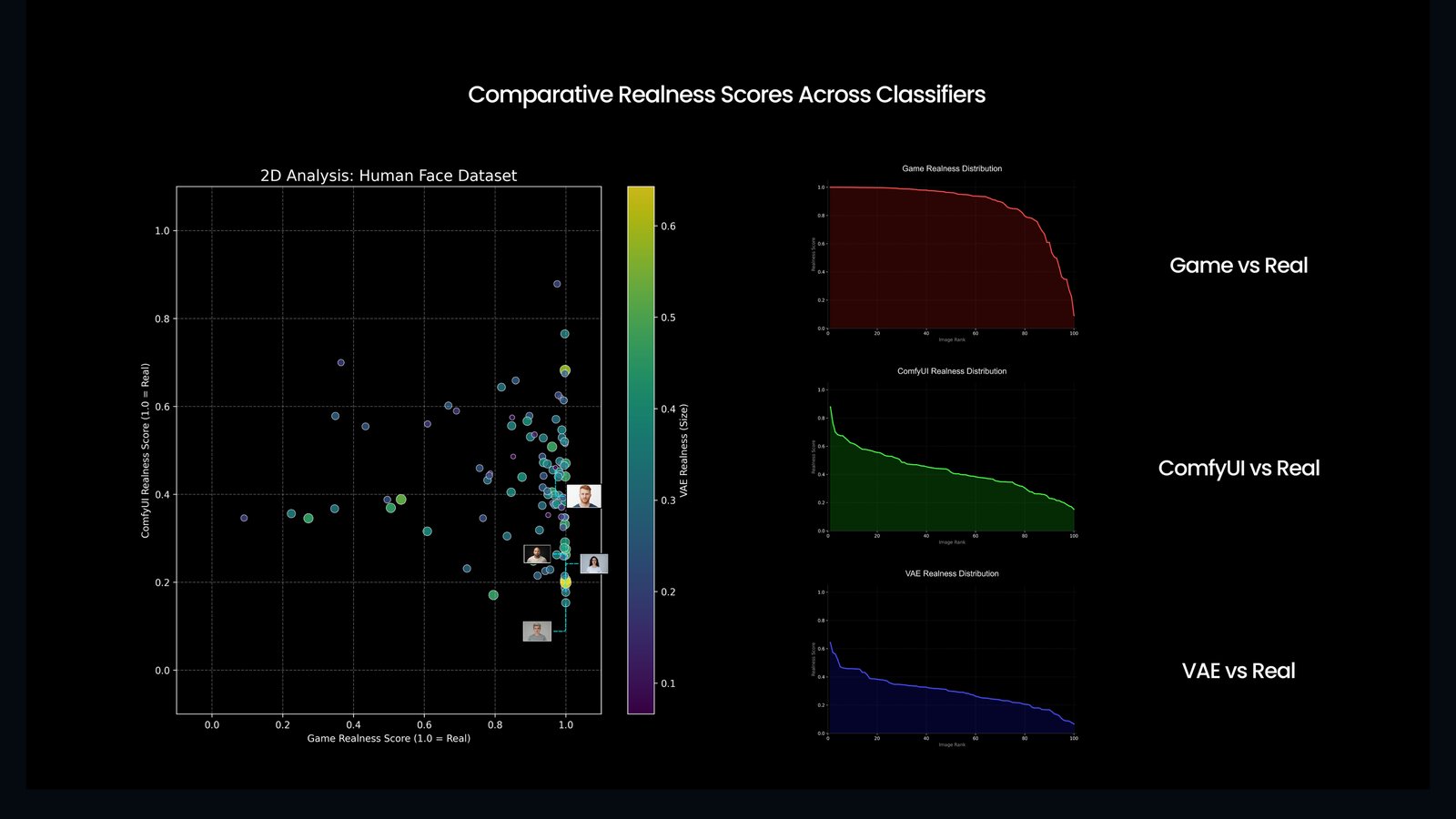
- Training parameters differ between the three classifiers, so their scores are not strictly comparable.
- Each dataset carries bias from where it was sourced.
- Attention maps give limited insight into the model's internal representations.
[What you learned and what comes next.]
Run the masking test yourself
Pick a face, then change what the classifier is allowed to see. Guess which way the score will move before you press.
{{tlx.note}}
These are recorded results from our masking tests, not a live model.